

Different Types of Glazing Replacement
Replacing the window glass on its own is not a long-term solution. Instead, consider investing in new double or triple glazing that lets in more sunlight and reduces heat and glare as well as reducing energy costs right from the beginning.
This type of work only requires a few basic tools and materials that are easy to locate. Lay out your boiled linseed soaked cloths to dry prior to beginning.
Glass
The best material to choose to replace your glass is a crucial choice. Glass comes in a variety of styles and colors and colors, so you can pick the one that best fits your home. You can also select a coloured film that can be affixed to the glass to block sunlight and cut down on energy costs. Glazing replacement can also be employed in a variety different window styles, such as bay windows and sliding doors.
The cost of a replacement glass can vary depending on the type of glass you select and the frame. Double-glazed windows can be more expensive than single panes, however their superior insulation will save you money over time. You can also replace your glazing with low-e, a coating that reflects heat from sun in summer but traps it during the winter months. This could save you up to PS300 a year on your electric bill.
Glass is a durable material, however it can still be damaged by weather or force. It is essential to replace your window glass as soon as it becomes cracked or chipped to avoid further damage. There are many benefits to replacing the glass in your windows. These include reducing your energy costs and improving security.
Another advantage of replacing the glass in your windows is that it will increase the curb appeal of your home. This is especially the case if you have older windows that have faded or damaged over time. Glass that is new can make your home look more appealing and may increase its value when you get ready to sell it.
While it is tempting to try to repair your broken glass windows yourself, it is always best to leave these jobs to professionals. Glass is a risk and should only ever be handled by trained professionals. If you're thinking of DIY alternatives, make sure you conduct your research and select a reputable company.
Putty
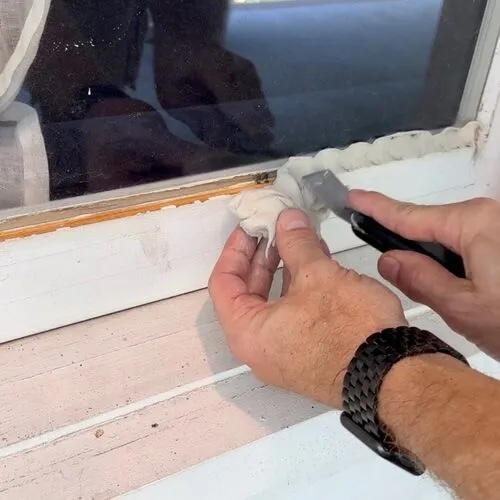
Putty is used to fill in gaps and cracks in surfaces, such as wood or plaster. It can also be used to seal glass panes in window frames and to prevent air leaks. Putty comes in a variety of forms including silicone, epoxy, and acrylic. The type of putty you choose is dependent on the surface it is being used on and the intended use.
For instance, silicone sealant is a good option for glass-to-glass repairs because it is flexible and can accommodate slight movements between the two surfaces. It is also water-resistant and provides an excellent degree of weather protection. It is also a popular choice for sealing sash windows in new construction because it reduces the loss of heat and improve efficiency in energy use.
Epoxy adhesives, on the other hand, are ideal for repairing cracked or broken glass since they are strong and durable. They can be tinted to match the color of glass and are resistant to UV degradation and fade. Epoxy is less flexible than silicone and is more difficult to work with if exposed to the elements.
Another alternative for glazing is acrylic glue that provides a strong adhesive and is durable against UV radiation and moisture. It is also easy to clean and can be applied quickly. Acrylic adhesives tend to be less expensive than silicone glues.
It is important to thoroughly clean the surfaces prior to applying any type of adhesive. Clean them using rubbing alcohol or a glass cleaner to get rid of dirt, dust, or fingerprints. This will ensure that the adhesive sticks well.
After cleaning the surface it is recommended to apply a primer to prepare the area for the bonding agent. This will increase the durability of adhesives and decrease the risk of premature failure. It is also essential to use a quality adhesive that is compatible with the surface being applied to.
For instance, if you are using wood glue, make sure it is designed for exterior use. You may want to consider using a solvent such as MEK or Acetone to clean up heavily contaminated surfaces. Wearing a respirator is the best method to safeguard yourself from the fumes from adhesive.
Bedding
On metal windows they are referred to as spring clips or glazing points. They need to be removed. You can do this by placing a putty knife under each point and prying it slightly. Remove the points from the glass and set it aside. Prime the sash well including the area where the glass will be placed, and let it dry.
It is ideal for listed homes as it looks so discreet. In real-world testing it was discovered that retrofits with low-e coated glazing can help save up to 4% of energy in tropical climates.
st-neots Emergency Glazier are a great option for applications where a significant drop in temperature is needed. Depending on the kind of heat shield used and the intended use, it can reduce convectional or radiant heat. Radiant heat is a type of heat that radiates from an object, whereas convection is the kind that circulates through the air. Certain heat solutions are reflective while others utilize backing layers to create distance and pockets to disperse heat after the initial reflection. The backing layer determines whether the heat barrier can be removed for use or if it is an indefinite solution like cermet or ceramic metal composite materials.
When choosing a heatshield make sure to take into account the service advertised and intermittent temperatures. The material's intermittent temperature is the maximum temperature it can endure in 30 seconds or less. Service temperatures are the maximum heat that the product is able to withstand over a long period of time.